 |
|
A DAY AT OREGON'S HIGH DESERT MUSEUM |
|||
Where there's lots to see and learn |
|||
Story and photographs by Lee Juillerat |
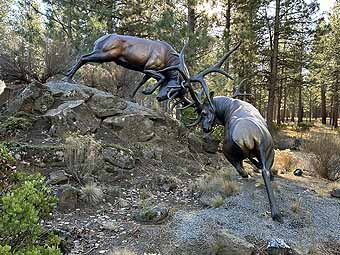
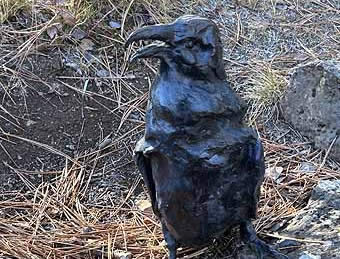
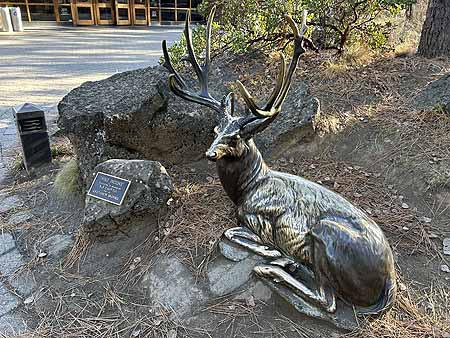
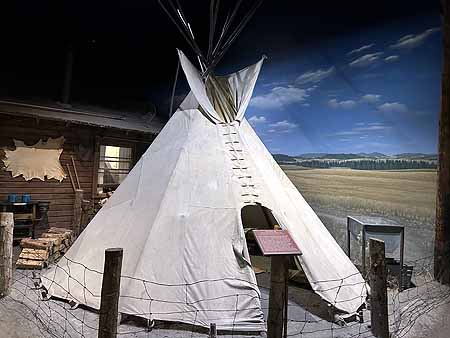
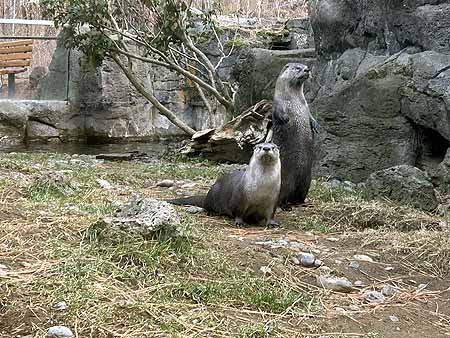
Historic displays of returned-to-life teepees, pioneer cabins, including an old outhouse. Creatively crafted and painted sculptures of wildlife and, far better, a chance to see turtles, rattlesnakes, birds of prey, colorfully feathered turkeys and, best of all, face-to-face views of here’s-looking-at-you river otters.
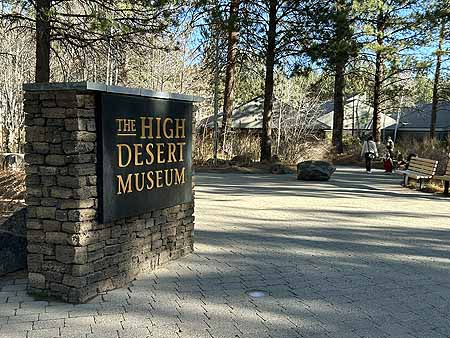
There’s much to see and learn about at the High Desert Museum. Located near the Central Oregon city of Bend, it’s easy – and recommended – to spend several hours looking and learning. It had been several years since my previous visit, but it won’t be that long until I return. While viewing displays in and outside the museum, the time sped ahead, like a clock on steroids.
Originally named the Oregon High Desert Museum when it opened in 1982, the museum underwent a name change to “recognize the regional nature of the high desert environment it highlights.” During its early years, the museum mostly featured outdoor exhibits. That was then. Now the museum offers more than 100,000 square feet of exhibit space on its 135-acre campus with galleries, interpretative paths, and thousands of in- and outdoor exhibits. The museum’s goal – something it has definitely achieved – was and remains to demonstrate how wildlife, culture, art and natural resources combine to create an understanding of natural and cultural heritage of the region’s High Desert country.
Over the years the museum has expanded its exhibits of wildlife in natural-like habitats and added traveling exhibits and living history demonstrations. The museum is accredited by the American Alliance of Museums and as a Smithsonian Affiliate institution, which gives the museum access to artifacts from the Smithsonian collection plus Smithsonian-sponsored traveling exhibits and education programs. There’s much that could be written about its history, but the museum is for viewing – and that’s what we did. There’s a lot to see, including more than 18,500 artifacts and artwork from such famous artists as Edward Curtis, Edward Borein, Charles Marion Russell and more.
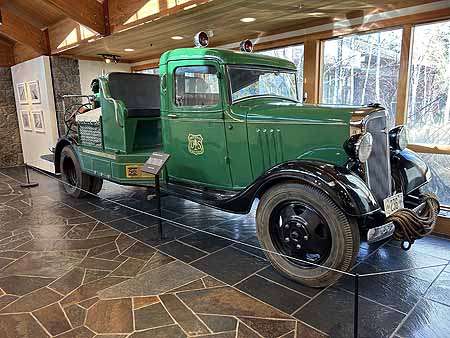
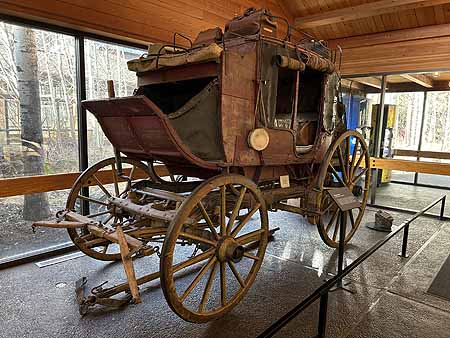
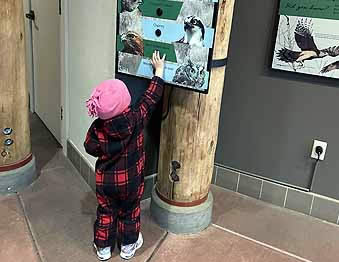
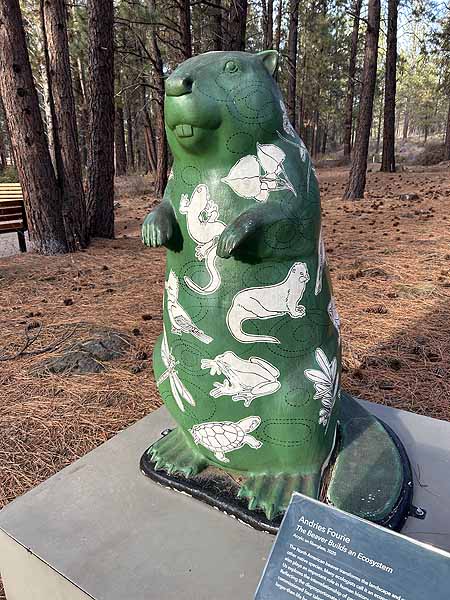
But even before getting inside, we passed by and gawked at a variety of sculptures, some crafted from barbed wire. Inside, the entrance lobby features a covered wagon and a vintage U.S. Forest Service fire truck. Then the real experience began. We weaved around indoor and outdoor exhibits, some in the 53,000-square-foot main building, many more outside. Among the indoor exhibits is the “Desertarium,” an exhibit that features living reptiles, amphibians, fish and insects. Like others, we were delighted and enchanted with up-close views of turtles, tortoises, snakes, lizards, frogs, and sometimes slimy and scaly creatures.
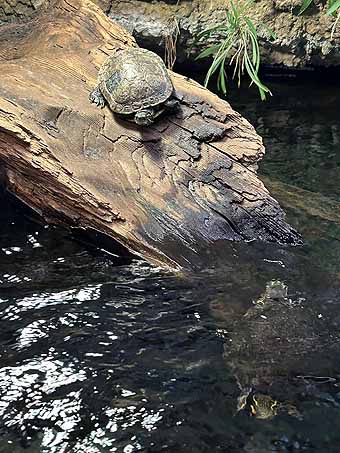
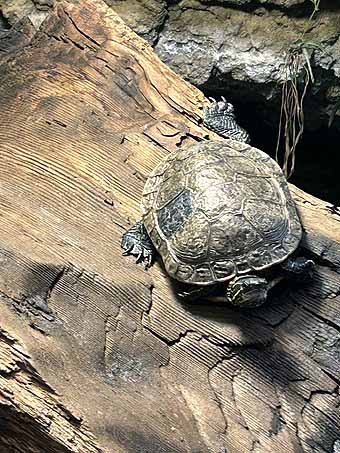
A turtle makes its way down a log...
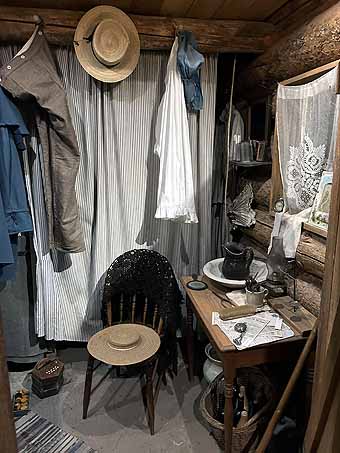
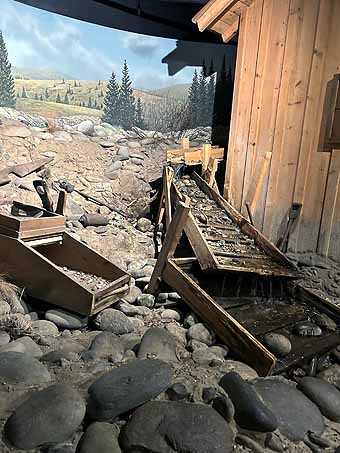
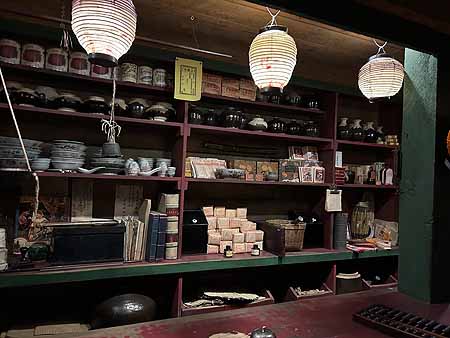
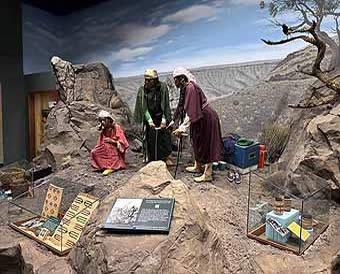
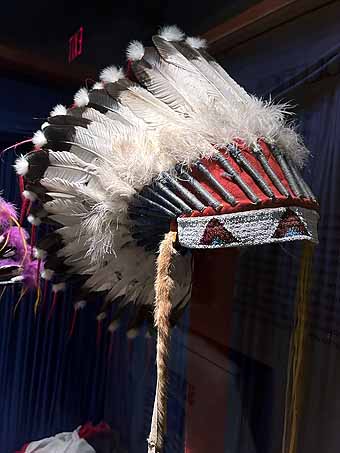
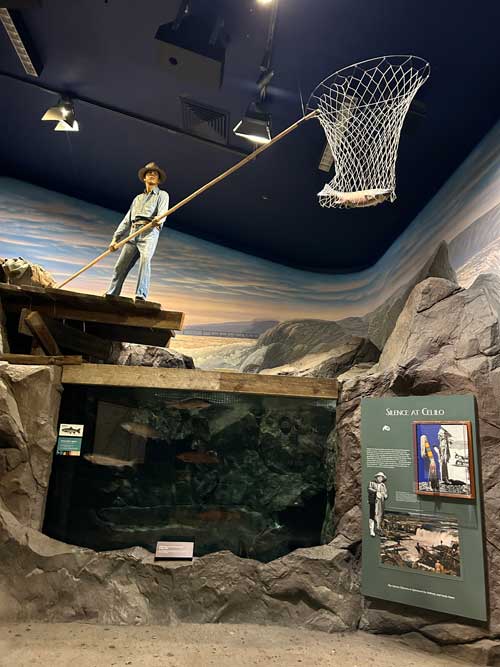
The “Spirit of the West Exhibit and Gallery” offers a “walk through time,” from a Northern Paiute shelter to a fur trapper’s camp and a Hudson’s Bay Company Fort. There’s an Oregon Trail wagon, a hard rock mine, a settler’s cabin. Fascinating, too, is an informative display of the Hi Loy Mercantile, an early 20th Century Chinese business.
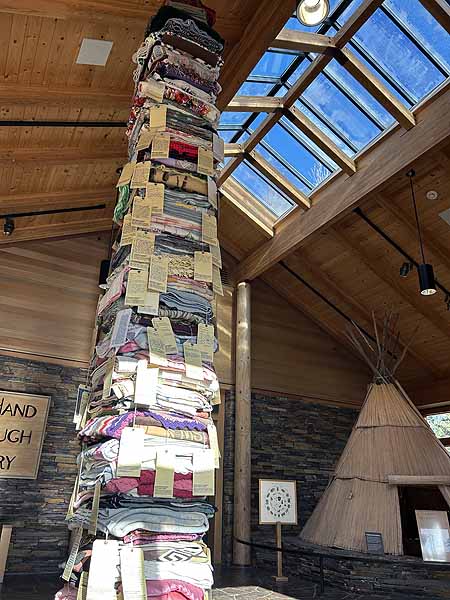
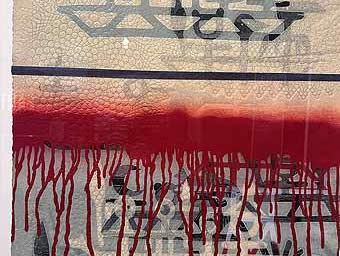
Eye-catching is “Blanket Stories: Works Progress, Talking Stick, Steward” exhibit that features two sculptures—one made from wood, the other from blankets that are stacked from the floor to the ceiling, with each blanket having a story. Talking Stick refers to a staff or cane used by some Native American tribes at council meetings where the person holding the stick had permission to speak while others listened before passing it along.
The outdoor exhibits offer more displays. A half-mile trail loops around a stream-lined forest lined with aspens and ponderosa pines. Along the way are a series of stops. There’s a 1933 Forest Service ranger station that has been moved from its original home in the Sierra Nevada Range to Northern California to Nevada to, for the foreseeable future, the High Desert Museum. The E.L. Wiegand Ponderosa Playscape has a slide and other features designed to teach children in a fun way about the lifecycle of a ponderosa pine.
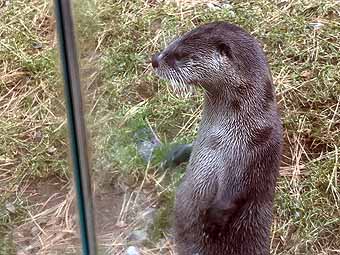
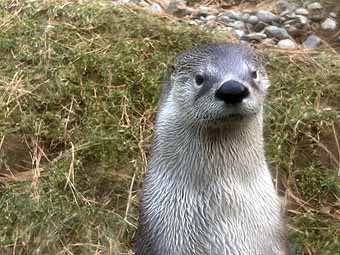
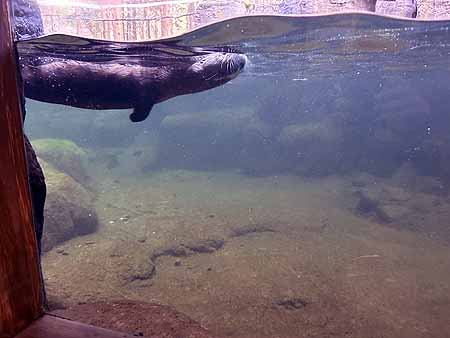
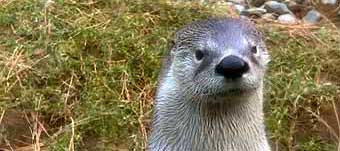
But the gotta-see attraction is the Autzen Otter Exhibit. Outdoor and indoor viewing areas allow visitors to watch the otters swimming underwater, watch their “bubble trails” and, if lucky, see them eye-to-eye. One otter, who seemed even more curious than I, poked his head against the window peering intently at me. Fun for kids of all ages.
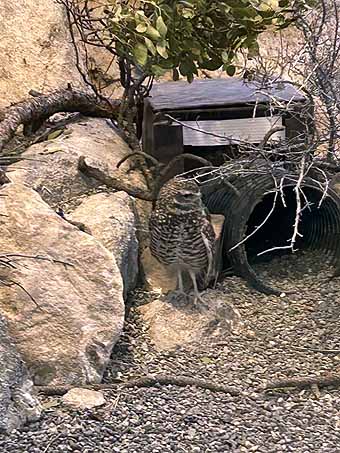
It’s important to know that the otters, like many other animals at the Birds of Prey Center, cannot be released into the wild because some are injured and unable to survive in the wild, while others are imprinted on humans, meaning that they rely on people for food and care.
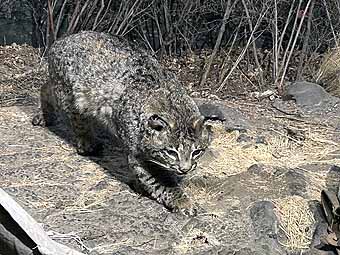
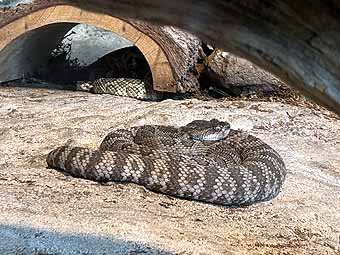
Birds of Prey Center provides close-up looks at such predators as owls, hawks, eagles, falcons and vultures. Other wildlife exhibits feature desert tortoises, rattlesnakes, and multi-colored wild turkeys.
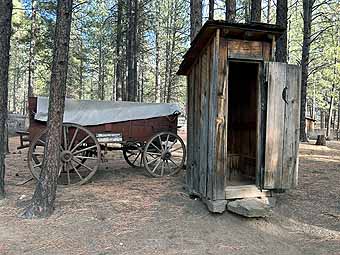
Glimpses of times past are experienced at the High Desert Ranch and Sawmill. The exhibit’s fictional homestead includes a cabin, barn, corral, bunkhouse, root cellar, sawmill and outhouse. The ranch “highlights the challenges residents faced as they sought to build new life in the harsh, dry climate of the High Desert.
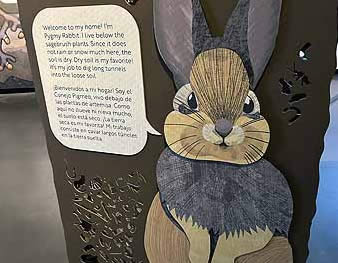
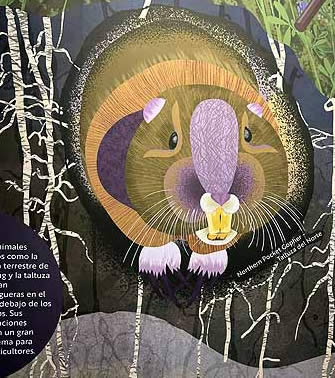
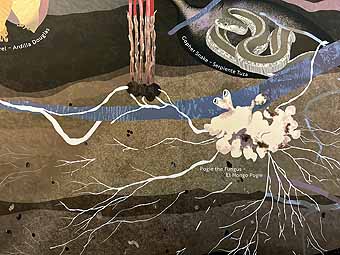
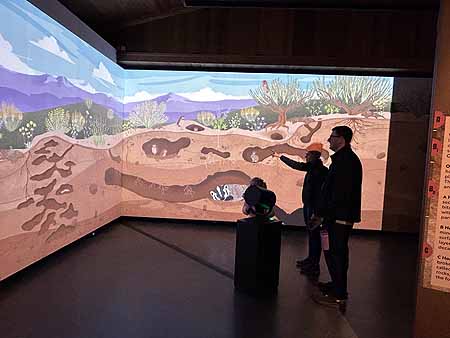
Back inside the main building we headed to the Spirit of the West Gallery and Exhibit where we were treated to two traveling exhibits.
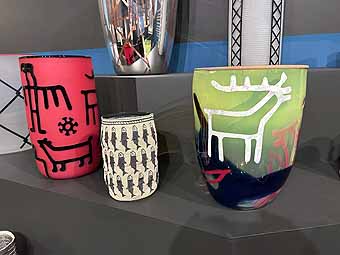
The second traveling exhibit was the eye-catching, sometimes surreal “Earth, Water, Sky” exhibit by Joe Feddersen. Included are nearly 50 hand-engraved and sandblasted blown glasses featuring traditional to non-traditional designs that display Feddersen’s love for land, water, and sky from his indigenous perspective. Among the many dazzling features are cup- and bowl-shaped items, including “Gathering Under the Stars,” “Self-Portrait,” and “Canoe Journey.”
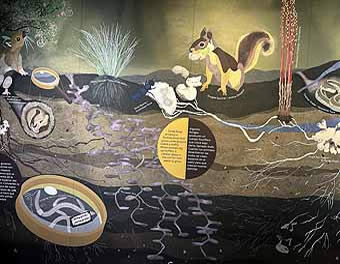
Actually, that’s just a sampling of the High Desert Museum’s offerings. Seasonal programs include Spring Break and Summer Kids Camps; a wide variety of Children’s Programs; daily walks such as Carnivore Talks, Mammal Encounters, High Desert Hooves, Nature Walks, Birds of Prey Encounters; seasonal flight programs; an endless series of to-be announced programs and talks. The High Desert Museum lives up to its name. It’s a place where learning about the high desert, its people and its critters always offers something tantalizing new and exciting. Planning a Visit The Feddersen exhibit runs through January 18, 2026, while “Soil Alive” continues through March 26, 2026. Opening February 7 in the West Gallery will be “Under Pressure: A Volcanic Exploration” while the new “Drawn West: A History of Promoting Place,” will be in the Collins Gallery. Other upcoming exhibits include “Hollow and Still: Photographs Following Fire,” November to February 15, 2026, in the Brooks Gallery. “Prophets – Paintings by Hilary Baker,” in the Desertarium Gallery, opens February 21, 2026.
Museum hours—9 a.m. to 5 p.m., March 1 to October 31, and 10 a.m. to 4 p.m., November 1 to February 28. To learn more, call 541-382-4754 or visit their website at https://highdesertmuseum.org/. About the Author
|
||||||||||||||||||||||||||||||||||||||||||||||||||||||||||||||||||||||||||||||||||||||||||||||||||||||||||||||||||||||||||||||